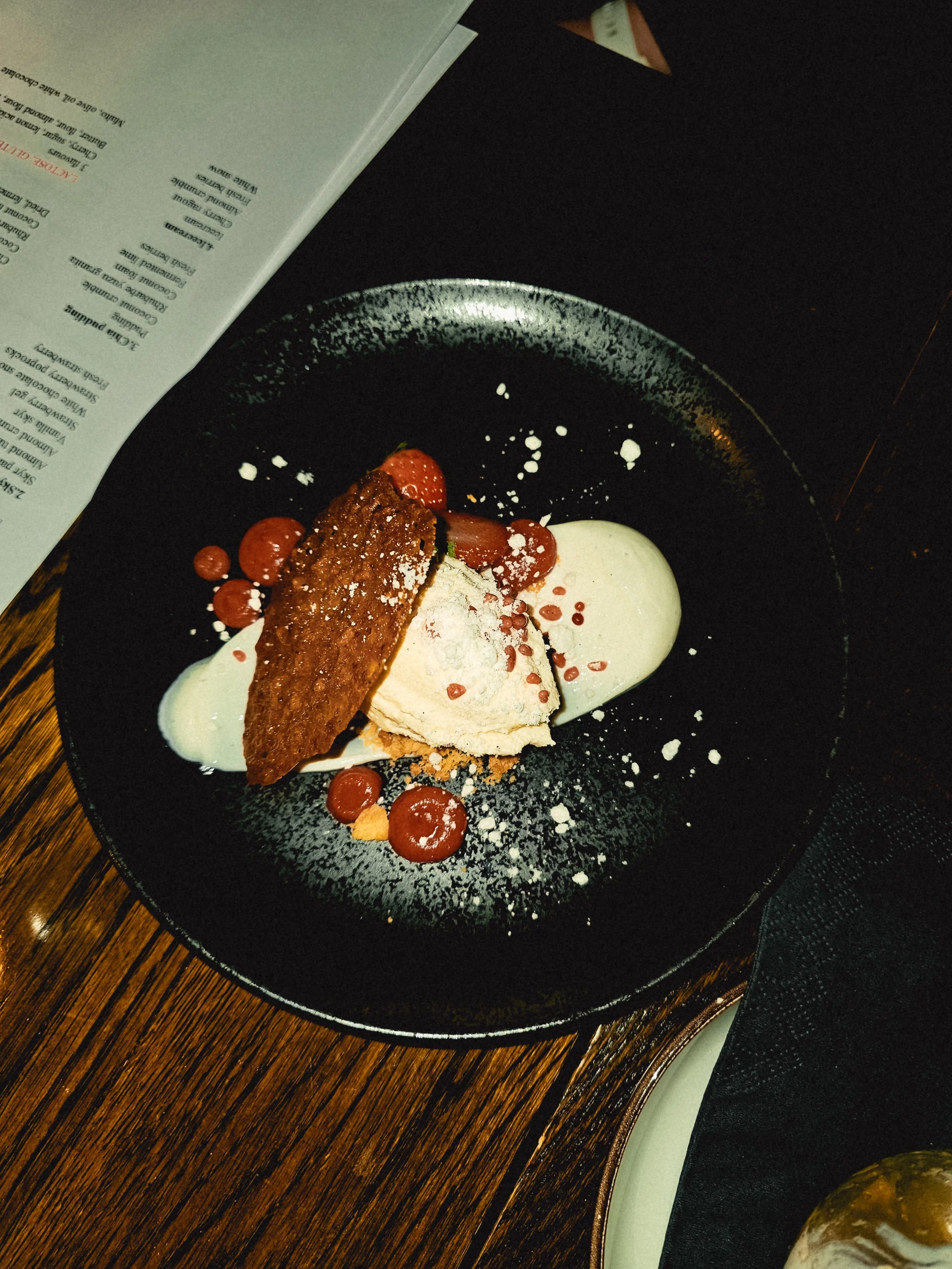
The Screens that Fed Us
In a time when food lives on screens before plates, what we crave most might not be taste, but connection.
As a kid, I’d spend nights after dinner watching MasterChef with my family on the couch. I didn’t fully understand what was happening, but I didn’t need to. All I cared about were the plates on the screen, food that looked like magic. A few years later, Jamie Oliver dominated our TV. The way he cooked, laughing and throwing handfuls of herbs like confetti, made food feel exciting, alive.
Fast-forward to now. Movies like Chef, and shows like The Bear or Chef’s Table, have become my comfort watches, rituals I return to when I want to remember why I love food so much. And if they make me feel that way, I know I’m not alone.
Food content has exploded. Cooking competitions, chaotic kitchen shows, street-food adventures, home chefs recreating Michelin dishes with nothing but a frying pan, it’s everywhere. Whatever branch of the tree you shake, there’s something ripe waiting to fall. But what we don’t always talk about, while consuming all this food content (pun intended), is why it hits so deeply. The way food makes us feel. The way it connects us.
When I watch Chef, sure, it’s about the food. The legendary grilled cheese Jon Favreau makes for his son, or the spaghetti Aglio e Olio handed to Scarlett Johansson under low light. But beneath the sizzle and butter, that film is really about love and connection. About a father trying to reach his son when words fall short. Food becomes the bridge, something to say the things that are hard to say out loud.
The Bear does the same differently. It’s chaotic, loud, and painfully real, but the food isn’t the point—it’s the thread. Each dish, each shift, each argument in that kitchen is about people learning to carry each other through grief, purpose, and chaos. For Carmy, cooking is a way to stay connected to his brother long after he’s gone.
That’s what I think we forget sometimes, scrolling through endless plates of food online. We forget that behind every dish, there’s a story. Behind every bite, someone is trying to connect, heal, or simply say “I love you.”
For me, food has always been my way of doing that. Bringing dumplings to a friend stuck on a long bar shift. Cooking lunch for my mom while she worked from home. Baking a carrot cake for someone who just lost someone important. I’ve never been great with words, but food—food always said it for me.
So maybe that’s what all of this is about. Not just eating well, or cooking beautifully, or watching the next great food show. Maybe it’s about remembering what food really is: an act of care. A small, delicious way to tell someone you’re there.
Because honestly, I’ve never met anyone who couldn’t be cheered up with a good plate of food.
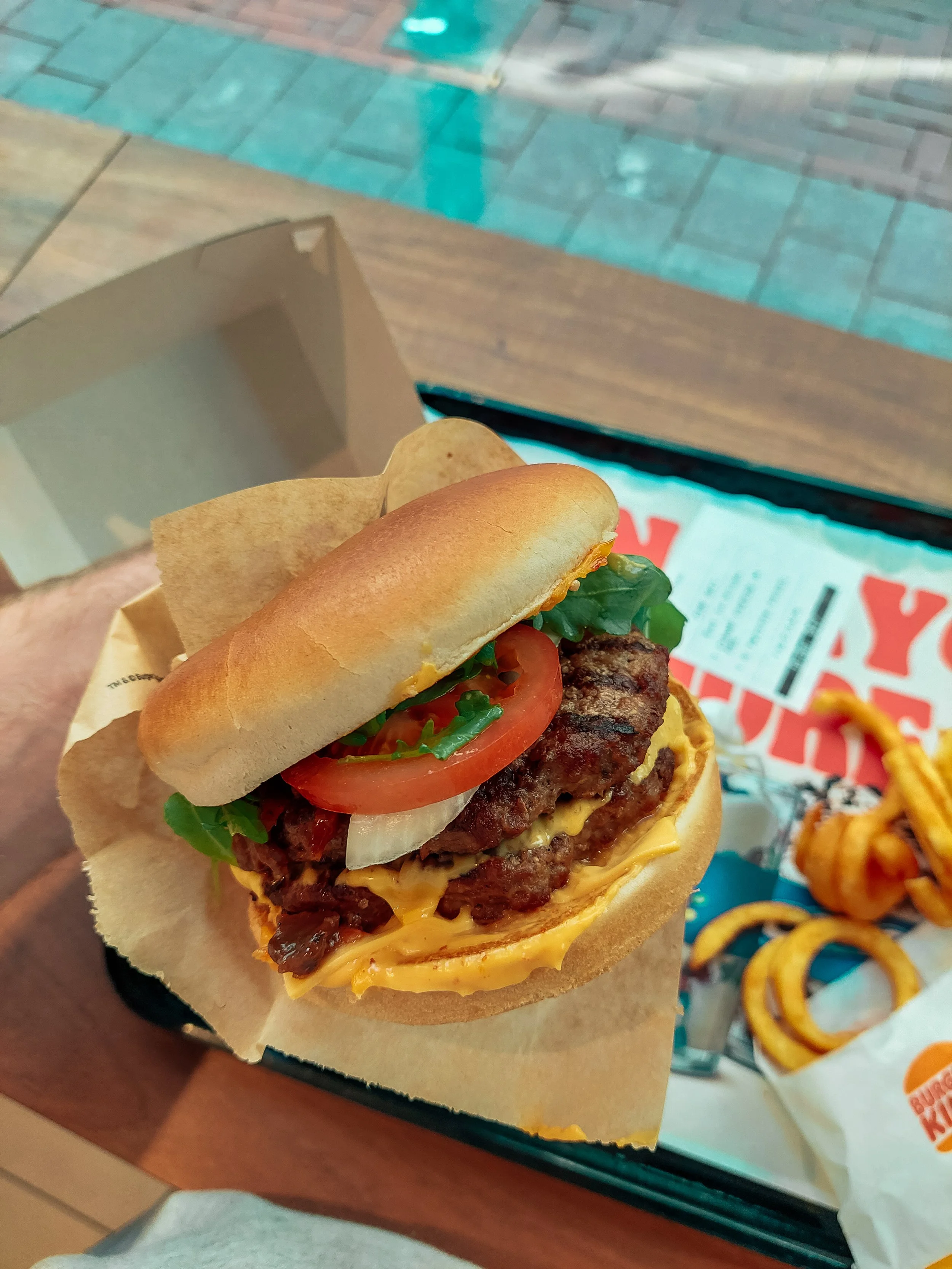
The Food That Feeds Us
Street food was born for the people, not to be dressed up for Instagram clout.
I’ll say it right now: I’m a purist. God, I hate admitting it, but when it comes to certain dishes, that side of me always shows.
Don’t get me wrong, I love a bit of food porn. I’ll doomscroll Instagram like the rest of us, drooling over a butterflied fish charred to perfection or a sloppy triple smash burger dripping with cheddar and bacon onto a sesame bun. That’s my obsession: good food in every shape and form.
But there’s one thing I can’t get behind, a hill I’ll happily die on: turning simple working-class meals into luxury stunts.
Every place has that dish. The one everyone knows. Vietnam has its bánh mì. Greece has gyros. Belgium has fries. New York has the slice. These foods weren’t designed to impress critics or win awards—they were designed to feed people. They came from cheap cuts, humble ingredients, and the need to fill a belly without emptying a wallet. They were quick, affordable, and, by some miracle of history, delicious enough to stick around.
And yet, here we are. My feed is flooded with “elevated” versions. Burgers wrapped in gold leaf. Pizza drowned in truffle. Tacos topped with foie gras. Come on, what are we doing here?
Food doesn’t need to wear a tuxedo to be good. It doesn’t need caviar or wagyu to be respected. These dishes earned their place in our cultures by being accessible. They’re the foods we grew up with, the foods we begged our parents for when cooking wasn’t an option, the foods we shared at 2 a.m. on a street corner with friends.
Don’t get me wrong, there’s a time and place for experimentation. Creativity belongs in kitchens. Curiosity is the heartbeat of gastronomy, and I’ll always admire the chefs who take unknown ingredients and turn them into something unforgettable. That’s how food evolves.
But evolution shouldn’t erase roots. A bánh mì doesn’t need foie gras to matter. A slice of New York pizza doesn’t need truffles to prove itself. A burger doesn’t need gold leaf; it just needs to be greasy, messy, and wrapped in paper that soaks through before you’ve even taken the last bite.
Staples should stay staples. They don’t need a facelift. They don’t need to be dressed up for social media. They just need to be what they’ve always been: food made for everyone.
The Seduction of Service
I’ve spent the last five years behind bars—hostel dive joints, cocktail temples, and everything in between. I’ve cranked out a thousand vodka sodas in one night, and I’ve spent hours talking gin botanicals with a stranger while pretending not to hate the sound of my own shaker. It’s a grind, sure, but it’s the kind of work that hooks into you. The late nights, the sore feet, the assholes who think “bartender” means “therapist on demand”—you take it all because nothing beats that moment when you slide a drink across the bar and watch somebody’s eyes widen. That little nod that says: yeah, you nailed it.
Once you’ve done this job, you can’t unsee it. You sit in a bar or restaurant and suddenly you’re tuned in to the rhythm—the invisible ballet of service. And if you’ve been in the trenches long enough, being taken care of feels like a goddamn miracle.
That miracle died, briefly, when the world shut down. Nights out got swapped for Netflix and takeout containers. Uber Eats was crowned king, and whole cities forgot what it felt like to walk into a place that wasn’t their living room. Even when the lights came back on, too many people stayed welded to their couches, convinced sweatpants were a lifestyle.
Here’s the thing: food at home fills your stomach. Going out feeds something else entirely. It’s not just calories—it’s ritual. It’s handing yourself over for a couple of hours and letting someone else steer. You sit down, someone smiles, pours you a glass, and asks you how you like your steak. You’re part of a story bigger than yourself.
Going out is romance. Not the Hallmark kind—the real kind. The seduction of a wobbly candle on a trattoria table. The reckless thrill of ordering the special without knowing what the hell it is. The chance to wear that shirt gathering dust in your closet, just because.
Stay home if you want. But don’t kid yourself: the couch will never love you back.
Surely I’m not the only one carrying the flag for the classic night out. I stand with anyone ready to denounce couch dinners and Netflix marathons for what they are: pale imitations of living. The world was meant to be tasted, savored, devoured. Invest in yourself. Give yourself the luxury of a night off. Dress up. Look good. Impress your friends with a shirt that isn’t sweat-stained. Take that recommendation someone swore by. Bury your face in a double bacon cheeseburger. Lick cream sauce off a fork while you plot your next bite. Indulge. Live a little. Don’t take it for granted. Just because the world spins a million miles an hour doesn’t mean you can’t slow down and enjoy it.
The Gospel of Hand-Helds
The world loves simple, hand-held food that packs a punch of flavour. Burgers, tacos, fried chicken, you name it. I’m one of those people. Food just tastes better when you toss away the cutlery and dive in, old school. I want sauce dripping down my wrist while I grip the bun like it just insulted my mother. I want my fingers slick with oil as I tear into a piece of fried dark meat, crumbs clinging to my moustache like Velcro. You get the picture. I love it.
If you’ve ever blessed your taste buds with a shawarma or Döner kebab, especially after a long night of Jäger shots and cheap pints, you already know the glory of that Turkish masterpiece. Greasy, saucy, filthy in all the right ways.
Now, while you’re daydreaming about your next shawarma, let me introduce you to a similar yet different beast—if you don’t know it already. The Gyros. The Souvlaki. Döner’s Balkan and Greek cousins who live out of town, wear leather jackets and ride in on beat-up motorcycles. Picture this:
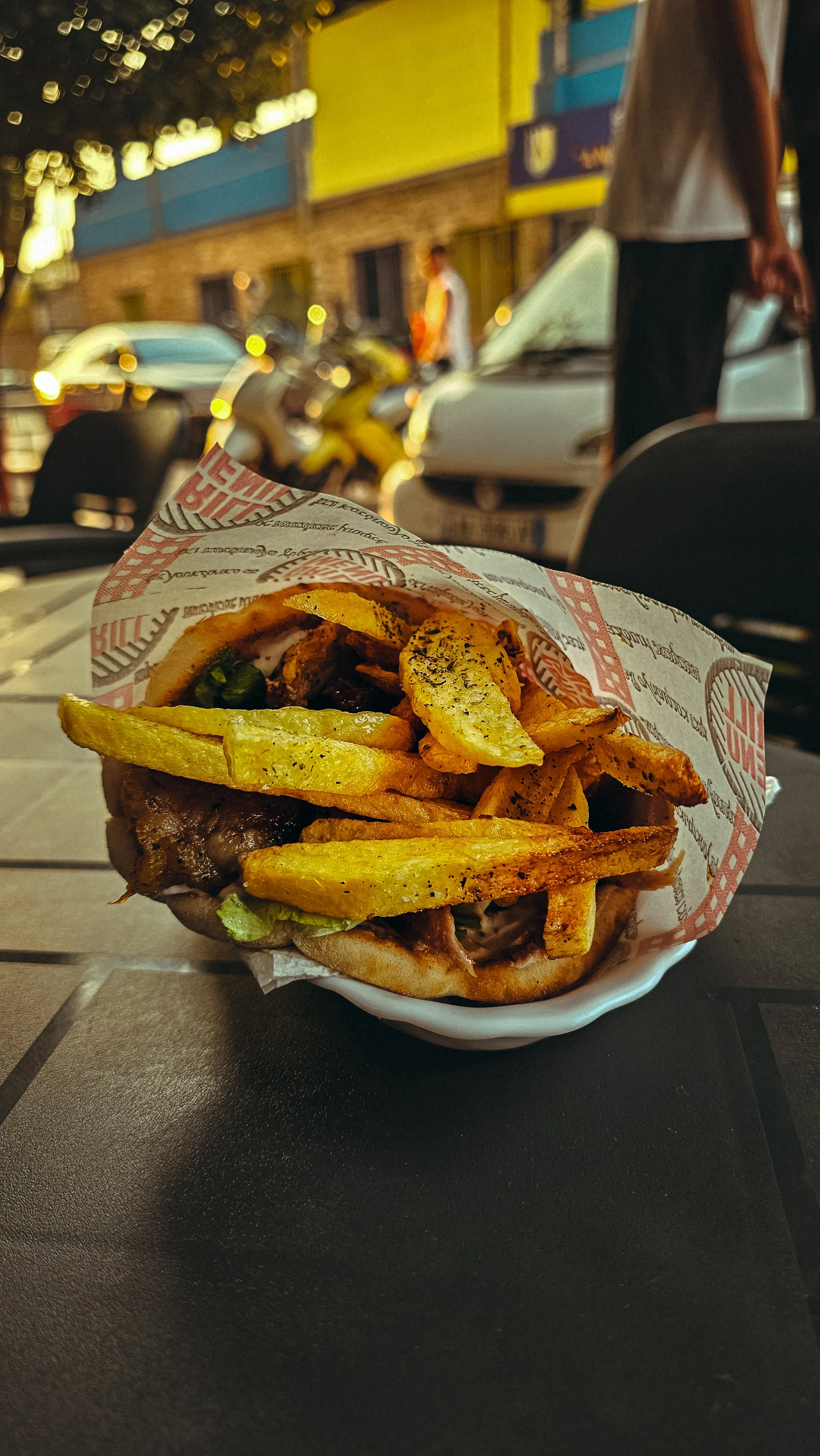
A thick, toasted wrap. Soft, pillowy, crisped on the grill for extra texture. Shavings of slow-roasted pork or chicken (or a mix, get the mix), fatty and caramelized on the edges, packed with a savory richness. Fresh slices of sweet onion to cut through the fat. And of course, the star that ties it all together—the yogurt sauce. Thick, creamy, refreshing Greek yogurt soaking up the juices and binding every bite into harmony. Hungry yet? Good. Because here comes the kicker, the part that sets it apart from shawarma and Döner: the fries.
You don’t get fries on the side with a squirt of mayo. No. The fries go straight into the wrap. If you’re lucky, they’re homemade—thick, soft in the middle, crisp outside, salted just right. They sit on top like a crown jewel, golden and indecent, waiting for you to bite down. This, this is what you need in your life.
You don’t walk away from a gyro clean. Your hands will smell like roasted pork and garlic for hours. Your shirt will probably catch a stain. And you’ll hate yourself a little while loving every second of it. That’s the point. Go find one, sink your teeth in, and don’t stop until there’s nothing left to hold. This is food as it should be, filthy, unapologetic, and absolutely glorious.
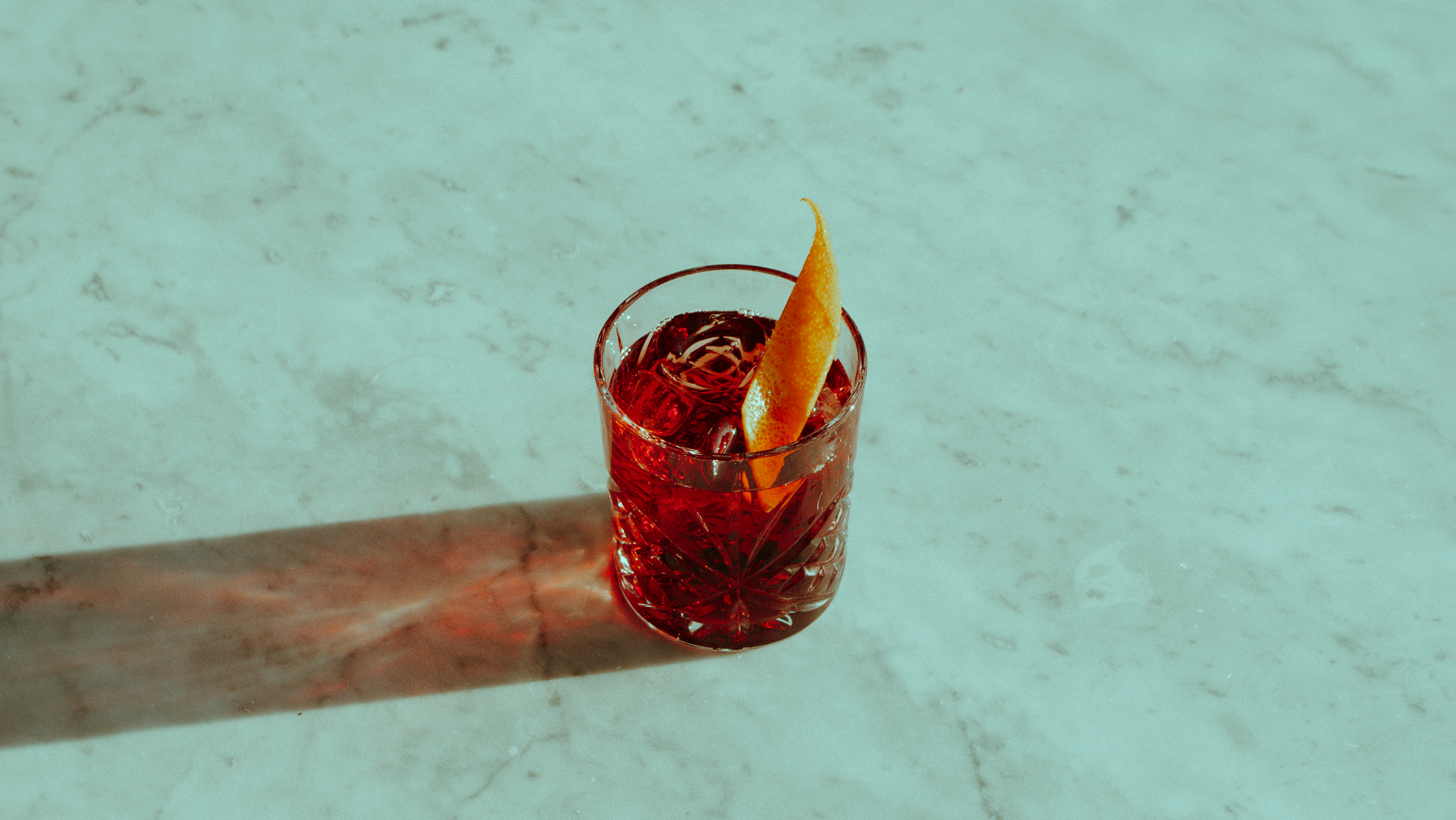
The Negroni That Changed My Life
If you had told me three years ago that a cocktail would have such an impact on me, I probably wouldn’t have believed you. Until I was 22, I didn’t drink. Not because I was scared to, but because I simply wasn’t interested. Even taking a shot here and there with friends didn’t intrigue me enough to want to push my limits. But here I am, telling you the story of how a drink changed my life.
Back in Paris, surrounded by the streets of the Marais, is a bar called Bar Nouveau. This bar is serenity in its purest form. Small, with turquoise walls, mirrored ceilings, and a small Mediterranean-style bar, seating only fifteen at a time. It was heaven. Guitars playing in the background, a bartender who looked like he came from the fields of Greece, shaking cocktails in the comfort of the guests’ patience.
Having been there three times in the span of the week, I was quite familiar with their impressive signature cocktail list. But the one cocktail I love, absolutely adore, is a Negroni. A Negroni to me screams decadence, not only in presentation, but in flavour. The fruity aromas of orange from the Campari, the gentle sweetness of vermouth to coat the mouth, the bitter aftertaste, with the floral notes of gin drifting in between. Knowing they did some classics, I had to ask. After a nod from the bartender and five minutes later, I was presented with a deceivingly simple-looking Negroni. The colours weren’t popping with the deep red I was used to, the large slice of orange had been replaced with only the tip of the fruit, and to keep it cool, two perfectly formed ice cubes. Did I mention it was deceiving?
My first sip was almost orgasmic, as if I had never had a real Negroni before. Suddenly, every Negroni I had in the past fell short in comparison to the one in front of me at that moment. The aromas of orange had an intensity I hadn’t tasted before, as if I picked the sweetest orange straight from the vine and bit into its flesh. The vermouth only enriched it by adding a sweetness that only a proper Vermouth could do. And finally, the gin, which, if I guessed it correctly, was a Japanese one, just lifted everything up with a gentle and clean nudge.
You might think from reading this that I’m exaggerating this experience, but I dare you to try it for yourself and see how it makes you feel.
After finishing my drink, I knew that I wanted to learn this, this craft, this skill. I wanted to give people the experience that I just had, allow them to taste the true mastery of cocktails.
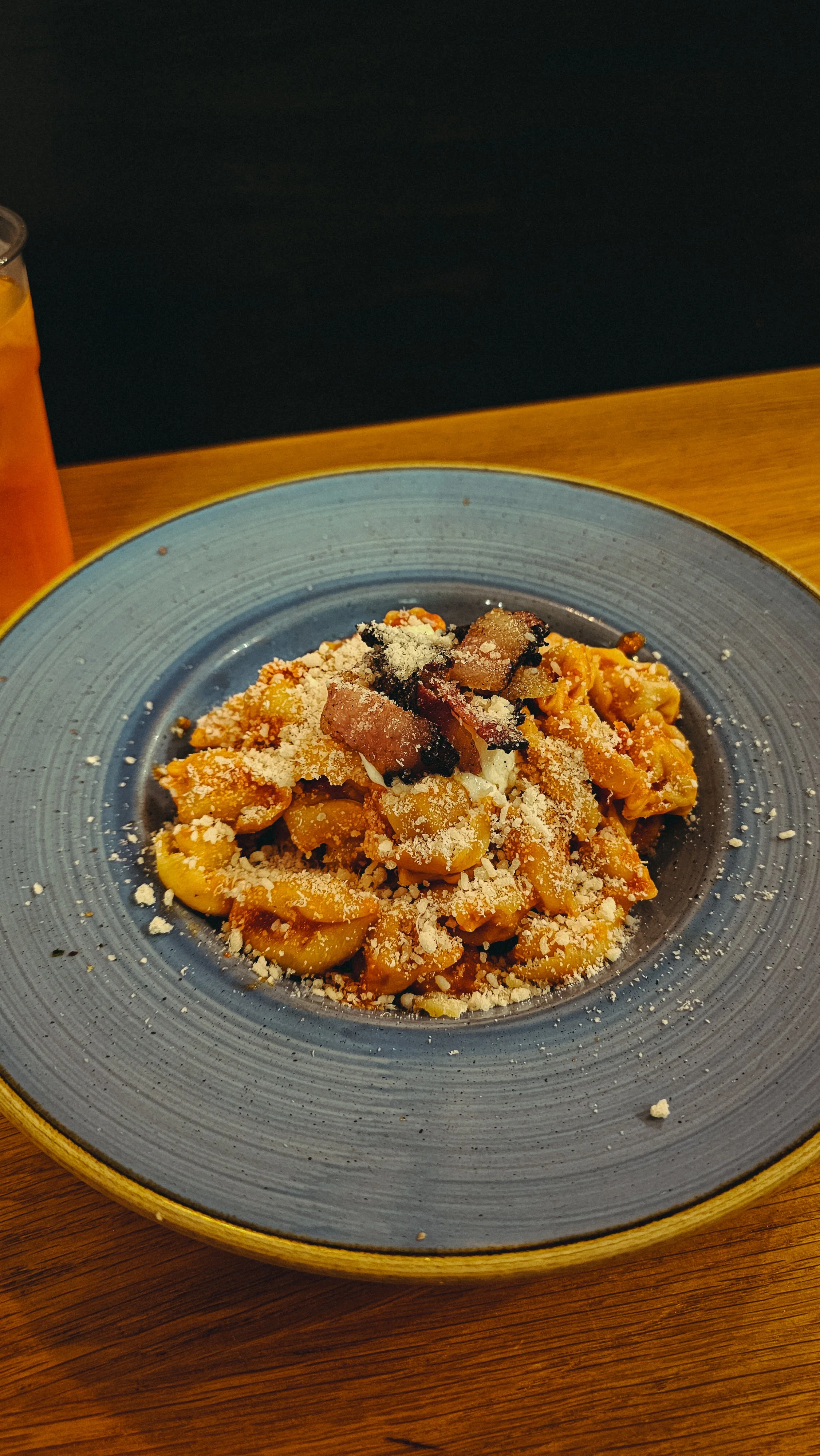
An Italian Escape in Paris
Two dusty windows, a worn wooden door, and the faintest scent of rosemary in the air. That’s all it took for us to stop walking. My friend and I had walked past the restaurant on our exploratory mission through Paris. The old wooden door and two windows were the only details alluring to the restaurant. At a closer look, we could see the dried herbs hanging from the ceiling, and unlit candles nestled on the wooden tables. We were determined to be one of the people sitting at those tables in the evening.
The restaurant, small, cozy, and brimming with the warmth only Italy can provide, was a welcome escape from the Parisian winter. The few tables in the room were crowded by guests who had felt the same as we did earlier that day. Sausages and sprigs of rosemary dangled from the ceiling like lanterns. The walls held old memories in frames, like pages from a family photo book. It felt as if the problems of the world had been left at the door, giving us a moment to breathe and rejoice while under the roof of L’alimentari.
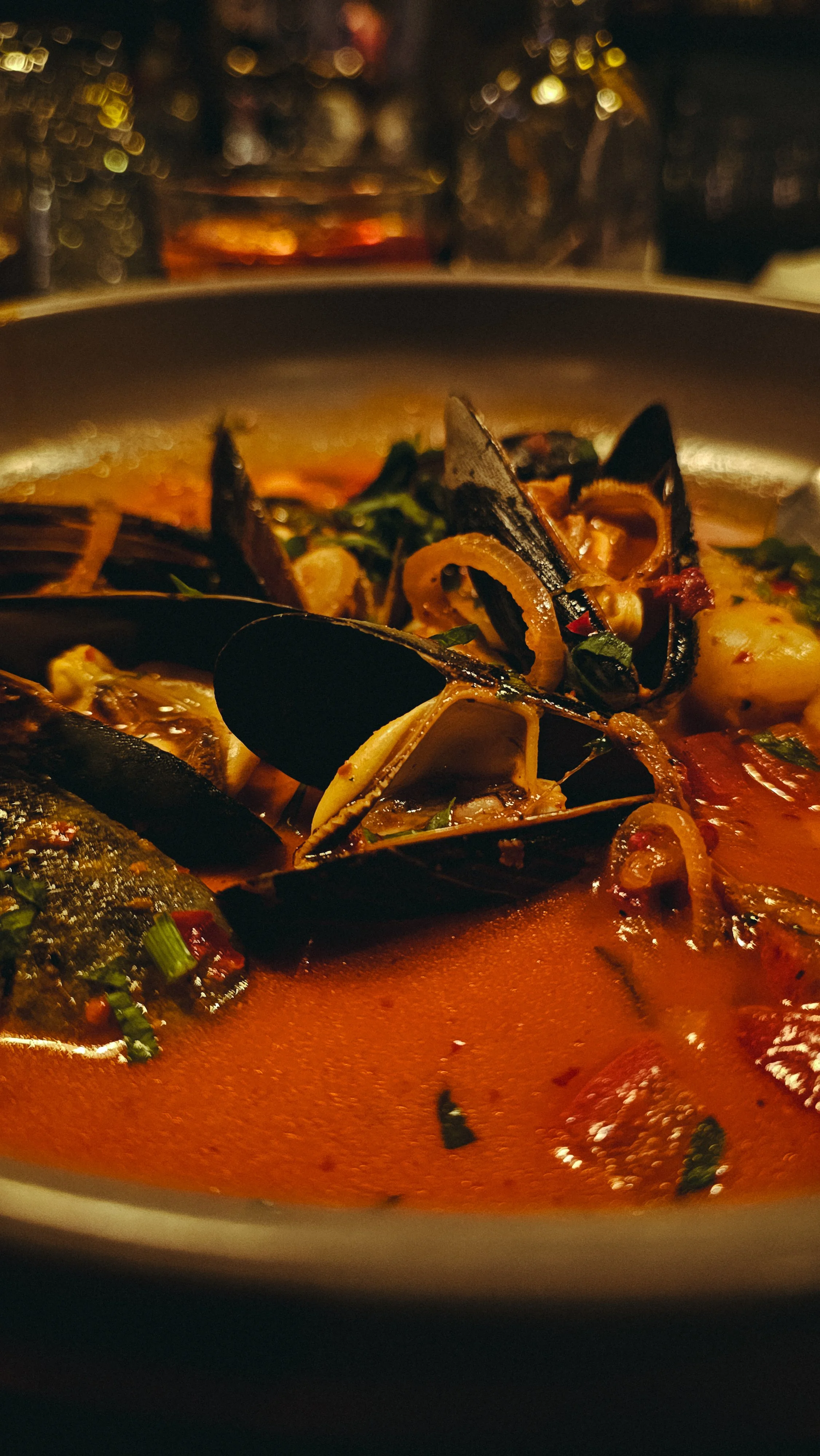
We popped open our first bottle of red with a quiet celebration. It poured into our glasses, catching the flicker of candlelight on its surface. A pan towered with steamed mussels, fighting for the top of the hill as we raced to meet the bottom of the pot. The scent of the sea and indulgence of cream kissed our every sense as we surgically extracted the flesh from their shells.
As we discuss the adventures of the day, everything falls into place, and I wouldn’t want to be anywhere but here. My friend’s smile is intoxicating, like the wine we’ve been enjoying. The dimmed light of the room flickers in her eyes as she tells me about her favorite parts of the city. I couldn’t help but be completely taken by her. Time was passing, yet we were stuck in a moment that could’ve lasted a lifetime.
Our evening was only enriched by the gnocchi arriving at our table. Like pillows scattered across the plate, blanketed by the rich aromas of butter and sage. This was Italian at its best: simple flavors, yet carrying itself with the confidence of tradition and ritual. The nutty and herbal notes danced around me with a taste of the red fruit lingering in my glass. I felt privileged, a kind of rich that money can’t compare to. I was here, in the presence of a beautiful woman, with good food at my table, and a glass of wine in my hand. If there’s a heaven on earth, it might look like this.
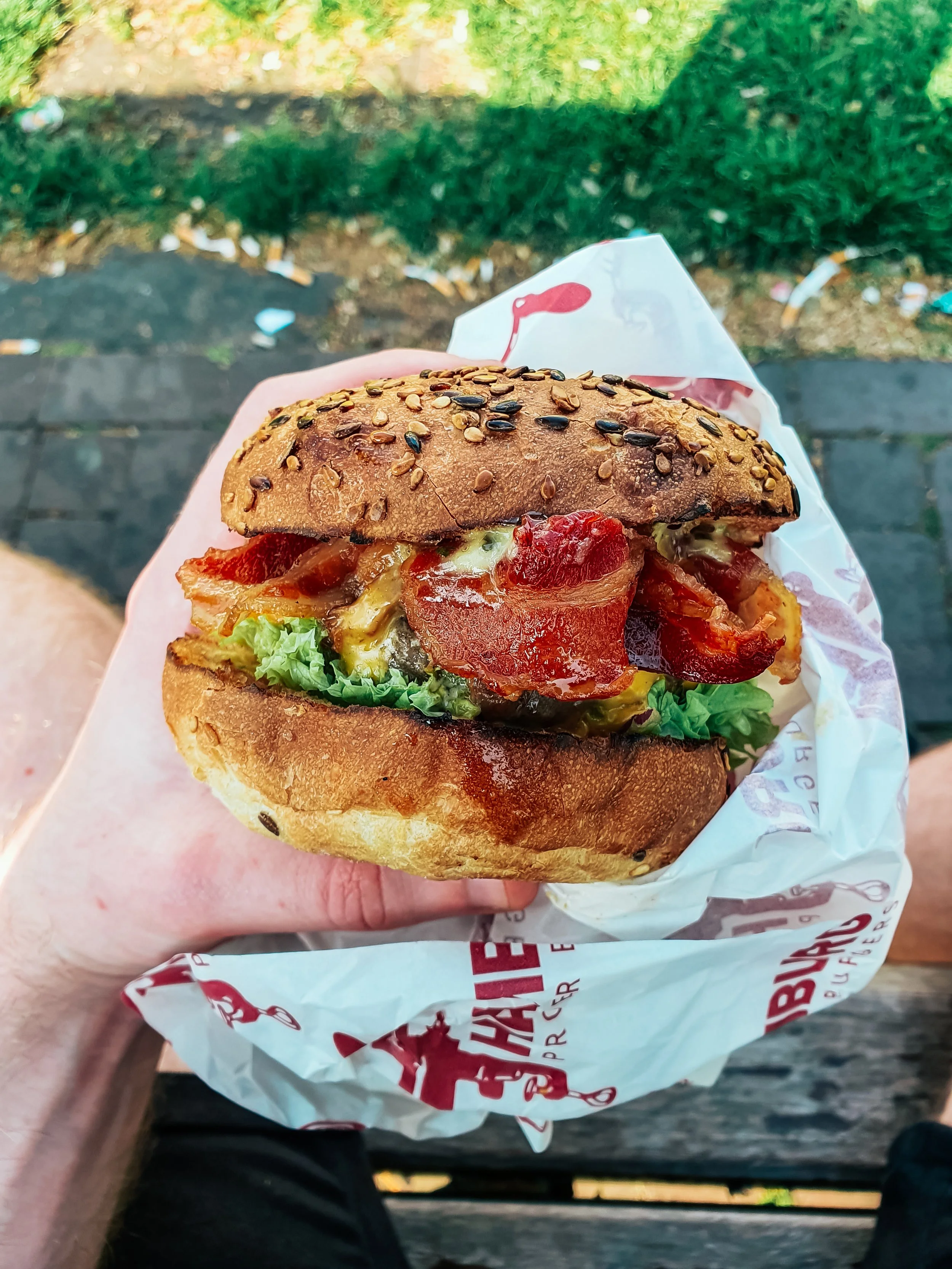
The Legendary Fast Food Burger
As a self-proclaimed foodie, I might turn some heads when I say this: I absolutely love a fast-food burger.
There’s no feeling like unwrapping that iconic aluminium foil to reveal a clumsily constructed, sweaty, dramatically filthy bacon cheeseburger that can’t even hold on to its own toppings. Where the corners of American cheese are perfectly draped over the patty, and the pickles are scattered like it was prepped for a commercial ad. Or that moment you place the Big Mac box in front of you like a treasure chest waiting to be opened — and inside is that legendary, double-pattied, sauced-to-perfection burger you’ve been craving since the second you decided it would be your next bite.
In the last decade, foodies and cooks from around the world have tried to recreate these burgers — these fast food pillars. But here’s the truth: we’ll never be able to recreate the one thing that actually makes them special — the experience.
Think about a movie theatre. You know everything is overpriced. You complain. You hesitate. And then you do it anyway. Because the movie doesn’t feel like a movie without them. The salty, finger-staining popcorn. The Coke in a cup so comically large it deserves its own seat. It’s not about the food. It’s about the ritual. The moment.
Like that sinful Five Guys burger. It’s not an everyday thing. It’s a comfort. A craving. A permission slip to just enjoy.
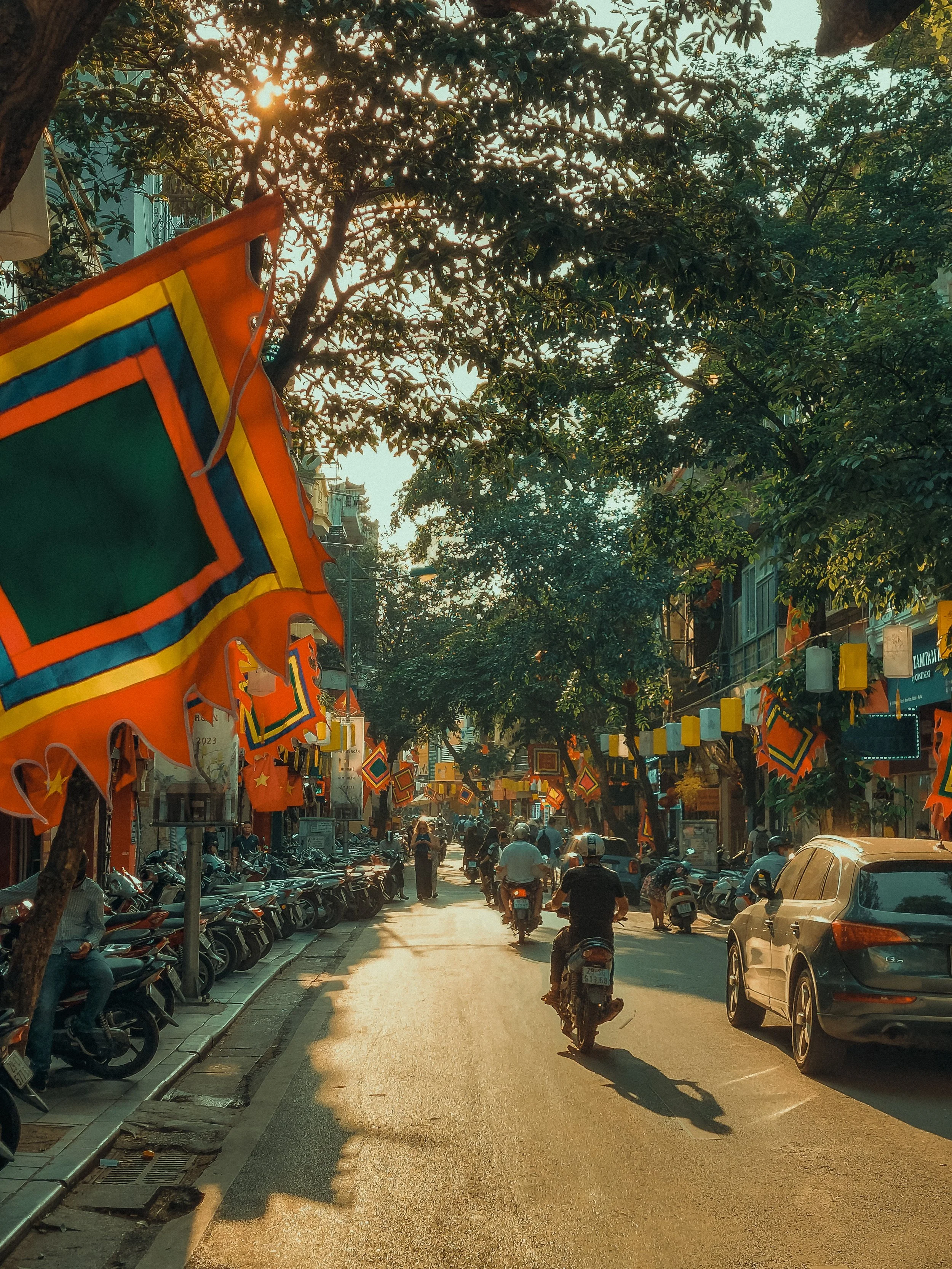
Love At First Sight
After a long day of traveling, I was exhausted, hungry, and desperate for a shower. But after checking into the hostel, dropping my backpack in the room, and taking a breath, I had only one thing on my mind: food. My final mission of the day.
I’ll never forget walking through the neighbourhood for the first time.
The long, wide streets were blanketed by trees, as if shielding the locals from the harsh summer sun. Sidewalks were scattered with coloured plastic chairs and tables like polka dots on stone. Locals and tourists alike huddled together over large, steaming bowls of phở and sweating bottles of cold beer. From nearby Beer Street, music echoed — pop remixes made to lure in the next wave of partygoers.
I sat at the best-looking spot I could find, knees folded awkwardly onto a tiny chair. Within minutes, I had a beer in one hand and a bowl of soup in front of me.
I couldn’t have been happier.
The phở was light but packed with flavor. Fresh herbs floated through the beef broth while slices of meat tangled with rice noodles, each one fighting for a dance with my chopsticks. We were all sweating together, slurping noodles like our lives depended on it. And in that moment, it didn’t matter where you were from — Vietnamese or foreign — food was our unifier.
A Paris Better Than The Postcard
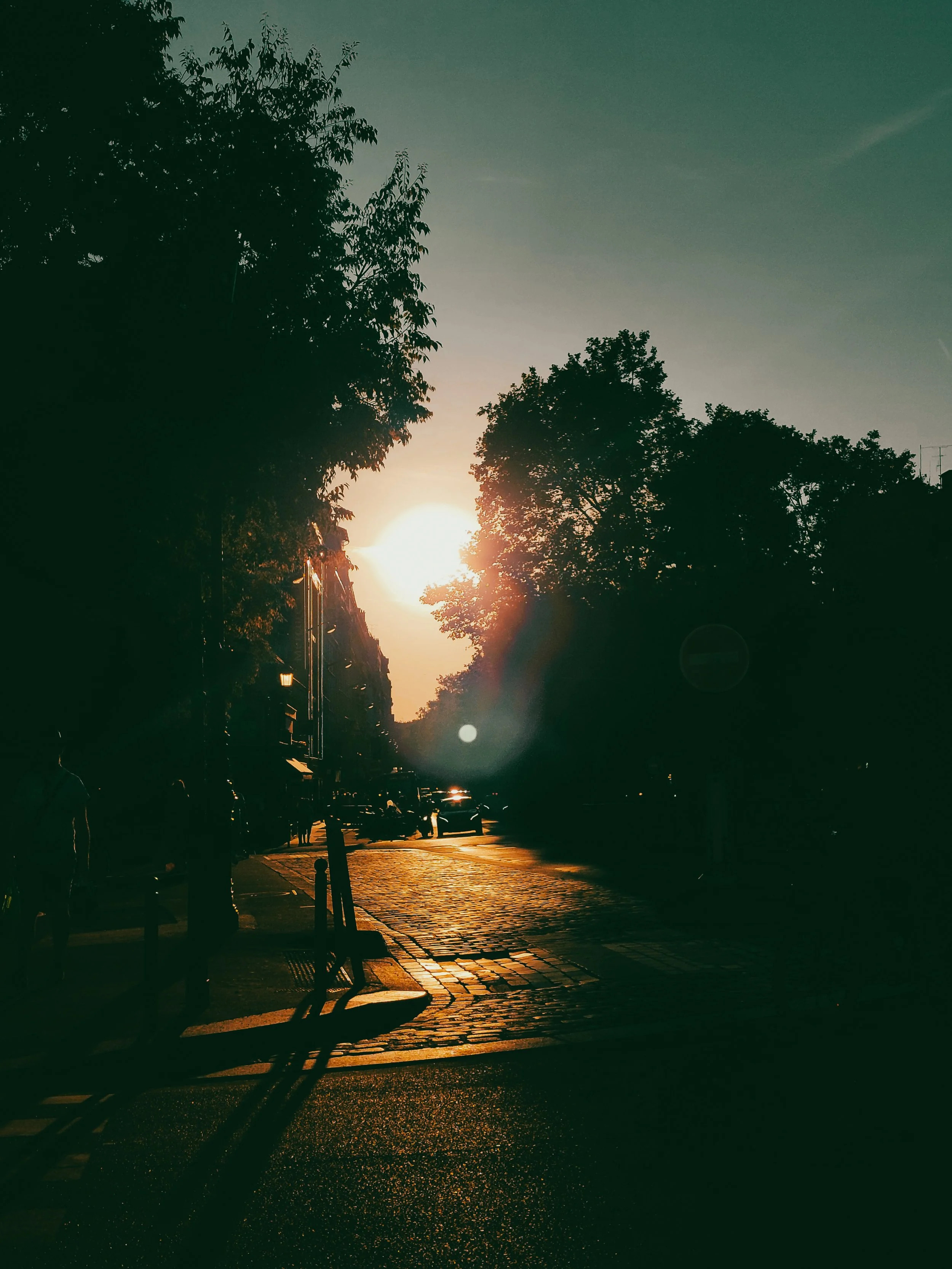
If I had to describe Paris, I’d say she’s captivating, deliciously intriguing, and full of mischief. My love for Paris has known no bounds, and I can’t help but fall in love with this city every time I walk back into her borders.
The world has its own opinion about France — and Paris especially. The clichés are endless, the stereotypes often earned. For some, a visit feels controversial at best. People flock here to sip wine by the Seine, dine atop the Eiffel Tower, or sample pastries from picture-perfect boulangeries. And fair enough — if I were only here for a weekend, maybe I’d do the same.
But I’ve lived in Paris. I’ve loved and worked in her messy, magical corners. And let me tell you — the real Paris? She’s even better than the postcard version.
Paris is great because of my friends — the ones I’ve poured drinks with, stumbled home with, and shared 3 AM kebab and laughter with. The ones who watched me take my first shot of Jägermeister and made a foreign city feel like home. They’re not just friends — they’re the reason Paris has never felt like just a place.
Paris is great for the spontaneous interactions I encounter at any given moment. The barista at my usual café was overjoyed with the question of the best food spots to eat in Paris, her personal favourites, only to leave with a list of fifteen places to try in my short time visiting. A conversation with the bartender shaking a cocktail, the spark in her eyes as she talks about her passion.
Paris is great because it’s a powerhouse of some of the best cuisines in the world. My list of recommendations exceeds the classic French spots, and instead opens up to Vietnamese, Italian, Venezuelan, and everything in between. Paris offers so much, why limit yourself to the classics when there’s a whole world of food here waiting to be discovered?
This is my Paris. And I hope you stay longer than a weekend — skip the lines, ditch the clichés, and get lost in the cafés, side streets, and smoky bars that make this city unforgettable.
The King of Late-Night Street Food
It was after the first shift volunteering as a bartender in my hostel that I realized I was going to love Hanoi. My supervisor and I finished a shift at our rooftop hostel bar. It was late, we were most definitely drunk from the copious amounts of espresso martinis, but we were hungry. As soon as we walked outside, we were led by the faint smell of warm food in the air. Minutes of walking led to a fairy light lit spot, plastic furniture, and steam everywhere. My supervisor was a seasoned late-night eater and knew exactly what to order. Our table soon filled with dishes I couldn’t pronounce, and like every hungry drunk would, we shut up and started eating.
You can say a lot about Asia. Damn, I have. But whatever flaws people point to, Asia will always dominate in one thing: late-night street food.
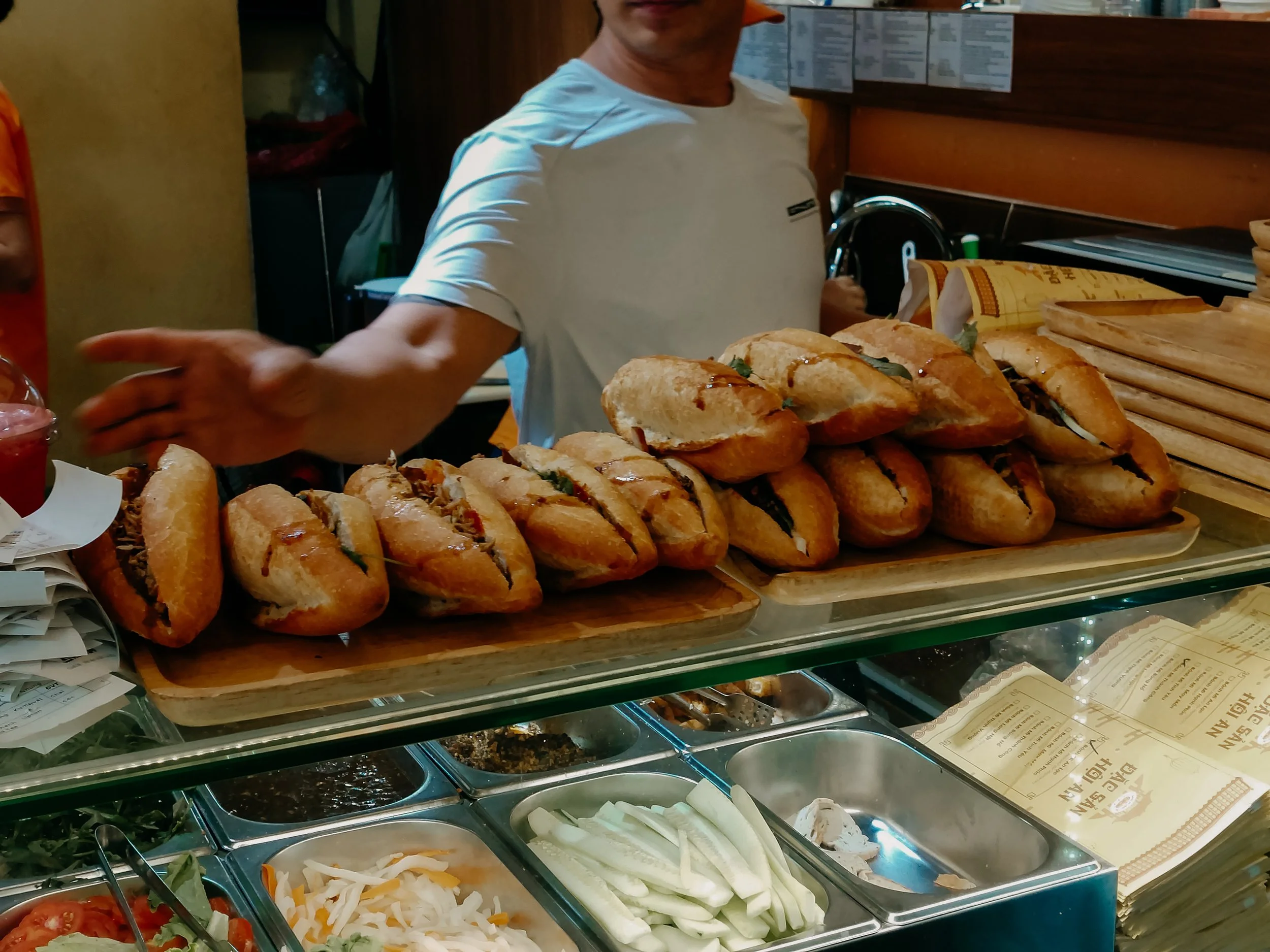
It’s dirty, it’s cheap, and it will probably make you question whether you just voluntarily got food poisoning. But in the end, it’s there when you need it, and it’s incredible. Sweaty Banh Mi made to order from a cart on the street. Greasy plates of Pad Thai that are cheaper than an Espresso in Amsterdam. Or hell, a whole scorpion on a stick.
If you haven’t experienced this first-hand, you might question whether I’m selling you snake oil or convincing you of something truly amazing. Picture this.
You’ve just knocked back as many beers as your liver allowed on beer street, maybe even a shot or two of happy water. It’s 4 AM, and while you can’t even walk straight, your stomach rumbles. Not the ‘’find the nearest corner to puke in’’ rumble, but the ‘’feed me right now’’ rumble.
You might think finding food is as hard as dodging tomorrow’s hangover. But you smell food in the air. You look around and find that every food spot is still open, tables filled with both tourists and locals alike. The aromas of fried spring rolls, comically large bowls of fried rice, and the steam of sliced pork intertwining with the sweat on your brow. The best part is that this is normal; this is Asia’s nightlife culture in a nutshell.
I miss those nights — ordering a bit too much food with friends as we crack open another round of Saigon beers. The fifteen-year-old son of the owner is battling the wok as if they’ve been at war for decades. Flip-flops, shorts, and a stained T-shirt as his armour.
You never forget the first city that feeds you like that.